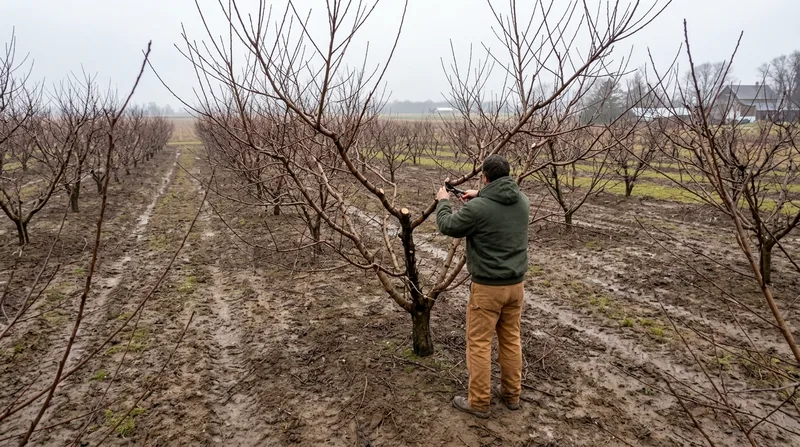




Fruit tree pruning in St. Catharines requires knowledge of species, climate and local growing conditions that generic trimming cannot provide. Peach, cherry, pear, apple and plum trees thrive in the St. Catharines area, but they demand their own pruning schedule and technique to produce fruit reliably and stay healthy through in St. Catharines and the surrounding area winters. Our ISA Certified Arborists at Garden City Tree Trimming have pruned hundreds of orchard trees across St. Catharines and the surrounding municipalities, timing cuts to dormancy and shaping each tree for an open centre and manageable height. Whether your trees are mature specimens producing less fruit each year or younger plantings that need structural guidance, we work to restore vigour and yield. Call us at (289) 273-4978 for a free estimate, or visit our contact page to request a site visit.
Why fruit trees in St. Catharines need expert pruning
Fruit trees planted in backyards and small properties across St. Catharines often receive no pruning at all, or are cut back harshly by someone unfamiliar with how each species responds. Without proper thinning and heading, apple and pear trees grow dense and shade-bound, cherry and plum trees set fewer buds, and peach trees (which fruit only on one-year-old wood) produce sparse harvests. The freeze-thaw cycles and occasional ice storms of an in St. Catharines and the surrounding area winter also create dead wood and storm damage that must be removed cleanly to prevent disease.
- We remove crossing and rubbing branches that waste energy and invite canker.
- We thin the canopy to allow sunlight and air circulation, reducing fungal pressure.
- We head back growth to encourage branching at the right height and shape for your property.
- We cut out dead and diseased wood completely, sealing large wounds when necessary.
- We time all cuts during dormancy (late fall through late winter) to minimize stress and disease risk.
Proper fruit tree pruning pays for itself within two or three seasons through increased yield and healthier foliage.
Local example: A mature apple tree in Martindale that had not been pruned in eight years was producing only a handful of small fruit each fall. After we opened the canopy, removed dead limbs and reshaped the main scaffold branches, the tree yielded over 30 kilograms of usable fruit the following season.
How we prune fruit trees in the St. Catharines area
Every fruit tree is different, and the pruning approach depends on species, age, health and your goals. We begin by assessing the tree's structure and vigour, identifying dead or diseased wood, and planning cuts that will restore productivity without shocking the tree. For younger plantings, we establish a strong central leader or open-centre framework. For mature trees, we work to renew bearing wood and reduce height if branches hang over your house or shed.
- We inspect the entire canopy for dead, broken or diseased branches and remove them first.
- We thin out crowded growth in the interior to improve light penetration and air flow.
- We remove branches that cross or rub, keeping the strongest and most productive.
- We head back long shoots to encourage lateral branching and compact growth.
- We remove any branches growing inward or downward at sharp angles.
- We haul away all brush and smaller prunings; larger wood can be chipped if you wish.
The entire job is completed in one visit. We clean up completely and leave your property ready to use.
Practical detail: A standard backyard cherry tree in West Lincoln took three hours to prune thoroughly. We removed roughly 40 percent of the canopy (mostly dead and crossing wood), shaped the remaining branches into an open vase, and left the tree 4.5 metres tall instead of 6 metres. Total cost was $385 including cleanup and chip removal.
Pruning methods by fruit tree species
| Species | Pruning approach | Timing |
|---|---|---|
| Apple and pear | Open-centre or central leader; thin crowded spurs; remove crossing branches. | Late fall through late winter (dormancy). |
| Cherry and plum | Minimal pruning; remove dead wood and thin dense interior; avoid large cuts if possible. | Late fall through late winter; cherry especially needs dormancy cuts. |
| Peach | Aggressive renewal pruning; remove one-third of fruiting wood annually to encourage new shoots. | Late winter (just before bud break) for maximum fruit production. |
| Mixed backyard orchard | Species-specific cuts combined; focus on removing disease, opening light, and managing height. | Late fall to late winter; avoid spring when sap is rising. |
Regulatory and safety considerations
Fruit tree pruning on your own property does not typically require a municipal permit in St. Catharines or the surrounding area, as long as the work is confined to your own trees and no limbs overhang onto a neighbour's property without agreement. However, if your fruit tree sits within a ravine lot or is close to a private electrical service entrance, we respect approach distances and ensure no branches contact or approach your home's wiring. If any branch touches the public distribution lines operated by your local utility or Hydro One, we stop work immediately and refer the matter to the utility; that work is not ours to perform. We are fully insured and carry liability coverage for all pruning work. Our crews haul away all debris unless you prefer to chip it on-site or stack it for yard waste collection. For more information about general tree pruning and how it differs from fruit-specific work, visit our main pruning page.
Seasonal timing for fruit tree work in St. Catharines
The best time to prune most fruit trees in St. Catharines is during dormancy, from late fall through late winter. At this time, the tree has no active growth, wounds close more slowly but disease pressure is minimal, and you can see the full structure without foliage in the way. Peach trees especially benefit from late-winter pruning just as buds are beginning to swell, because you can remove old fruiting wood and encourage vigorous new shoots. If your trees have suffered storm damage or show signs of disease, we can address those issues year-round, but routine shaping and renewal pruning should wait for the dormant season. Spring and early summer pruning can invite canker and fungal infection, particularly in cherry and plum. Our 24/7 emergency removal service is available if a fruit tree has split or been damaged by ice or wind.
Contact Garden City Tree Trimming at (289) 273-4978 to schedule your fruit tree pruning during the dormant season, or visit our pricing page for a detailed estimate. We serve St. Catharines, Lincoln, Grimsby, West Lincoln, Pelham, Thorold and Wainfleet with the same level of care and expertise.
Prices Fruit Tree Pruning in St. Catharines — Indicative pricing
| Service | Price | Details |
|---|---|---|
| Small backyard fruit tree (up to 5 metres) | From $185 | Pruning, shaping and cleanup for a single young or small mature tree |
| Standard mature fruit tree (5 to 8 metres) | From $325 | Open-centre shaping, dead wood removal, thinning and height reduction as needed |
| Large or multi-tree orchard work | From $495 | Multiple trees, complex shaping or significant renewal pruning over several hours |
| Storm-damaged or diseased fruit tree | On estimate | Emergency assessment and removal of broken limbs or dead wood; call (289) 273-4978 |
| Travel and site visit | Included | Free estimate in St. Catharines and the surrounding area |
| Free quote | No obligation | Response within 24 hours; call (289) 273-4978 or use our contact form |
Indicative prices; free, personalized estimate within 24h at (289) 273-4978.